
Interview - Sola Rosa - 14th April 2026
Andrew Spraggon - photo credit Tom Grut
Andrew Spraggon, more widely known by his musical moniker Sola Rosa, has just released his eight studio album, In The Mids. After 25 years of producing and performing as Sola Rosa, the development of In The Mids saw Spraggon make a distinctive shift to a new mode of creating and writing. After Cyclone Gabrielle caused flooding and damage to his home and studio, he made the conscious choice to change how he makes music, developing a method based on spontaneity, creative freedom and a lack of self-imposed boundaries. Bridget Herlihy recently had the opportunity to catch up with Spraggon about the evolution of Sola Rosa over the last quarter-century, and how the upcoming In The Mids tour will present a different incarnation of one of Aotearoa’s most beloved electronic artists.
Interview By: Bridget Herlihy
Interviewee: Andrew Spraggon aka Sola Rosa
Date: 14th April 2026
Sola Rosa - In The Mids
How are you, Andrew?
I'm not too bad, but I'm feeling a little bit tired this morning. We've got a construction site next to our house, and they start early. Such is life in Auckland City these days. We got slammed in the anniversary floods, and so it's taken a while to kind of get it back to a proper studio.
How bad was the flooding for you?
It was pretty bad. We're in a two-storeyed house, which is good; we can just live upstairs if need be. But the studio is downstairs. The positive thing that came out of it was that I moved from a desktop computer to a laptop. Because I couldn't work in the studio, I had to work wherever. That was a game changer, because, you know, I made music in bed, or I was sitting at the dining room table or wherever. Computers had caught up and were pretty powerful by that stage, but I was still on, like, a 2012 iMac or whatever. So when I jumped to an M2 MacBook, it was like, wow!
So if there was to be a proverbial silver lining that came out of the floods for you, that could have been it.
That was totally it. I mean, everything in my studio now is elevated. All the cables are up off the ground and we're a lot more prepared. So, yeah, lots of positive things came out of it, really. Just at the time, it's like, ‘Oh, dear God, how do we deal with this?’ And, you know, how long is it going to be able to move forward?
Fortunately you were able to move forward, and your new album, In The Mids, is out. It's only just over a year since you released New Tomorrows. Just over 12 months between albums is quite an undertaking.
Yeah, it is. And it seems like I've been super productive – and I was – but I almost made those two projects back-to-back at the same time. And when you're putting music out, quite often people think you've just finished something and put it out. But sometimes you finished it a year ago or even longer. So in 2020, when I put Chasing the Sun out, I was already into making new music, and I was kind of in a bit of a space where I wasn't really sure how I wanted the next project to sound. I always want to make something different to what I made previously. I'm not trying to repeat formulas or anything. So with New Tomorrows, there was a lot of music that I made after Chasing the Sun. I was just kind of finding my way of, like, what I wanted to do. And I ended up collaborating.
So, this was during COVID times. I can't remember… maybe we were still going into lockdowns or we were in between lockdowns, but I spent a lot of time with Lewis McCallum. He would come around here and it was kind of almost like therapy sessions. He was going through some stuff and I was going through some stuff. And we would make music together as kind of a therapy. A lot of the music on New Tomorrows came out of those sessions. I'm trying to remember how the timeline worked… I did those sessions with Lewis, and I think we were still having lockdowns, and I was watching a lot of YouTube videos with different producers, just making music, talking about the process, talking about gear that they're using, software that they're using and stuff, and just trying to upskill. And that was a game changer, really. I loved that period because of that; I was learning so much and trying different things. And then there's one producer in particular called DCat, who is kind of a hip hop producer, but he also does pop stuff. He does a lot of stuff, and he makes software and puts out plugins and sample packs. He had this one video that was just him talking about, as an exercise, trying to make a beat a day without any judgement, and then move on to the next one the next day, and don't even think about it. Don't question what genre you're jumping into or whatever. That changed everything for me, and that's kind of how the new album was formed; out of that whole philosophy of just making music without any judgement.
I went from like coming up with working titles for beats that I've made to just numbering and dating them. Sometimes I'd make three or four in a day and just move on. Then at the end of the week or on a Sunday I'd listen to them and write down which ones I thought were good and then come back to them later on. Some of them I just left alone and I'd put them in a playlist. So by the time I came to wanting to collaborate with vocalists and stuff, I just had this massive list of music. When I presented it to vocalists for a collaboration, I'd only put in the stuff I thought was good. I didn't put everything in, because some of it was trash. But, you know, the good thing about making music without any judgement is that you find yourself in places you would normally say, ‘That's not really my genre, so I won't do this.’ But the new frontier of what I was doing, it was, I'd just go, OK, well, that's where I am and let's just see where it goes.
As there's no judgement involved, it doesn't matter, because you're not trying to prove anything to anyone – it's not like everything you create is going to be made public, and you have the time and space to ruminate on what you have created. You're only making music for the fun of it.
And that's where the best stuff comes from, you know. If you're trying too hard, it always comes across that way. Or if you're trying to sound like… I'm going to try and make a disco tune or whatever, it's always going to sound a bit fake, I think. But if it just comes out of you, it's fine. And it usually takes some other form and it usually gets a Solar Rosa signature sound to it eventually. Or I might work on it for a few hours and then come back to it a week later and look at it and go, okay, well, I didn't like this then, but now I can just hear it needs a new bass line or it needs this or that. So, yeah, it was liberating. Really, really liberating. And that's pretty much just how I'm going to make music from now on.
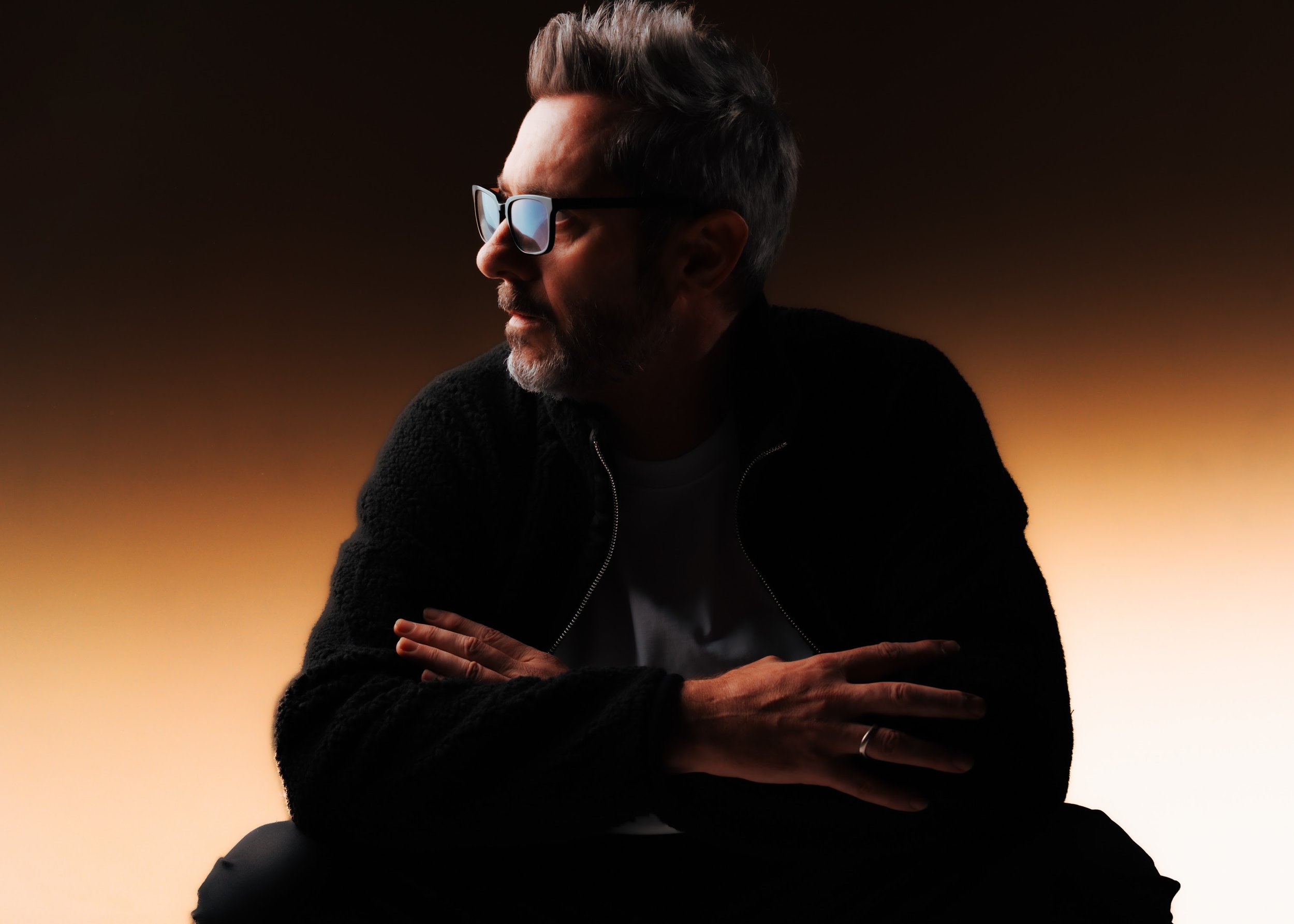
Photo Credit - Tom Grut
Thinking back to before you adopted this new approach to having fun creating music, were there instances where you took a more regimented approach to writing music whereby the element of fun in the writing process wasn’t as strong?
Yeah, there's definitely been moments like that. I mean, even now, I haven't made music for probably over two years. It used to really bother me because I'm self-managed and I do everything. I've got an amazing team of people I'm working with, but I'm kind of running everything. So I used to make music and then do the shows and do a tour or whatever, but also have to do all the admin and everything. I was quite disgruntled about having to do that. But I've made my peace with that now and I actually quite enjoy that side of things. I'm really looking forward to getting back into making music again, but I just clocked out after that period of New Tomorrows and the new album. That was my creative period. Now I'm doing the admin, and then I'm going to do the tour. And after that, I should be able to get back into making music again. I kind of made my peace with it; I think the older you get, the more you've got to be careful you don't get angry about that stuff because you start thinking things like, ‘Oh, I've only got this much time left’.
The other thing about making a beat a day is that something I never considered would come out of that exercise was that what you're essentially doing is flexing your chops, as they say in music. It's like flexing a muscle. It's like if you're doing yoga and you keep stretching you're going to get really strong but flexible muscles. And it's the same with music. I just found myself being so productive with it that I'd make sometimes three or four beats a day or I'd go from one and it would turn into another. So I'd mark that as a different beat. I think if you look at people like, you know, Fred Again, he's one of those guys that just seems to be constantly flexing his musical chops. And it's boundary less where that can take you. I think that's a real positive to come out of that exercise as well.
How are you feeling about the release of In The Mids, given that much of the album was created and recorded more than two years ago?
I love this album. I'm really proud of this album. I probably say that every time I put something out, but two years on from making music, I still really stand behind this album. I think it's one of the best things I've done for a while, especially because musically, it just came out of such freedom for me. And the sessions with the collaborators was really great.
Certain albums I've done have been a struggle. I mean, there were financial periods… back in the day they imposed kind of restrictions on album timelines and stuff. And then there's been albums where I've been trying to chase a little bit of what people like about Sola Rosa, and that's always a mistake. So I think this is the first album in a while where I felt truly sort of free making music. It was quite a joyous album to make.
I'm looking forward to playing it live. We've been playing a few of the tunes live, and that's been really great. I've gone from sort of a band format to more of a producer-led live project. So that was another aspect of this album; I love my band; there was nothing wrong with the band. The band was great, but because of where the music went, I felt like live-wise it had to change as well. I thought long and hard about what I wanted to do there, so that's had a drastic sort of facelift as well. We've been creating live visuals for the whole show. So the whole thing is completely different sort of to how Sola Rosa live was.
You have previously spoken about an evolving set of influences on this album. Is that once again drawing from that creative freedom or were there particular musical influences or producers that inspired you in what you were doing?
Yeah, my musical taste is always changing. And I like that about it. I kind of like keeping up-to-date with what's going on, and I guess that rubs off on me. Because of COVID and the lockdowns and the YouTube videos and everything, I was watching a lot more videos of producers making music and talking about music.
So a lot of those influences rubbed off on me, and sort of allowed me to say ‘yes’ to change, because I felt bad about the band thing. I was like, ‘OK, how's this music that I'm making going to translate to a live band? It's going to be really difficult for a drummer to play a lot of the stuff. It just became too complex and too much of a problem.’ So I just thought, OK, well, let's make it simple; simplify it. And also because I've been DJing more often, and when I'm DJing, I'm essentially trying to make people dance on a dance floor and keep them there. So I was listening to more dance music, but not straight up dance music; it's more like Leftfield. I was listening to a lot of people like The Count, and a guy called Labyrinth. Oliver is another producer I was listening to a lot of, and Black Odyssey, and an Australian band called The Goods, and Bad Colours. I was sort of leaning more into the dance music side of things, so that's where my influence was going. And I was like thinking, OK, when I play this album live, I want to sort of treat the audiences as though they can dance to most of this stuff; it's not just standing there looking at a performance or whatever. There were all of those things coming into play when I was making this album.
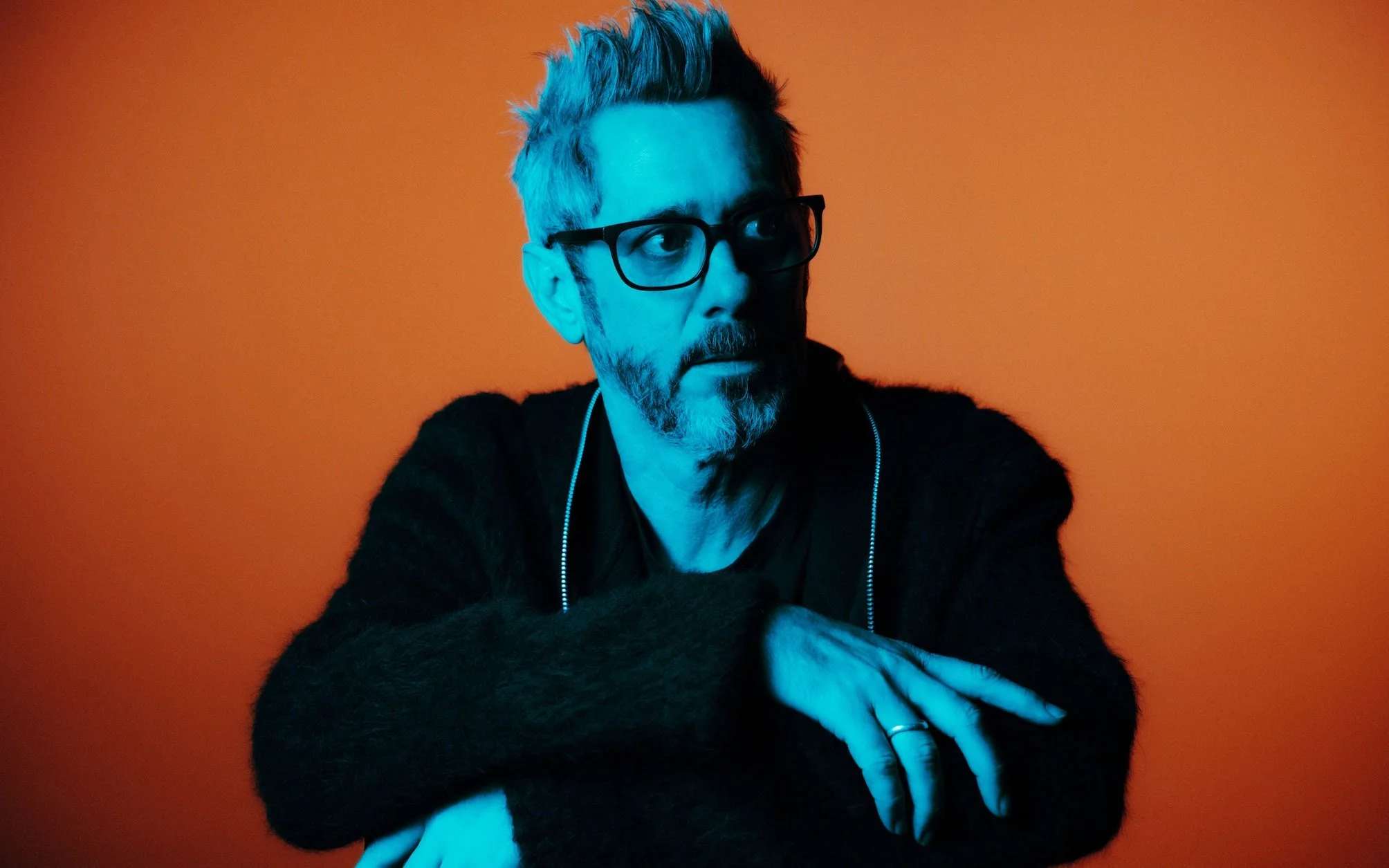
Sola Rosa will be on tour throughout New Zealand in May and June.
For tour information and tickets visit solarosa.com
Sola Rosa - In The Mids Album Release Tour 2026



Avenged Sevenfold
AU/NZ Tour 2026
Friday 23rd October- Spark Arena - Auckland
with Special Guests Coheed and Cambria & Thornhill