
Concert Review - The Pogues - Auckland - 11th April 2026
Presented by Mellen Events
The Pogues - A Celebration of 40 Years of Rum, Sodomy & the Lash - image credits to Leoni Moreland & John Forster Red Raven News
Review By: James Brown

Artist/Band: The Pogues

Venue/City: Te Paepae Theatre, NZICC, Auckland

Date of Event: Saturday 11th April 2026
I never expected to see The Pogues live. Their New Zealand tours in 1988 and 1990 are somewhat legendary, but they haven’t been back since. And aside from the loss of several longtime Pogues – including guitarist Philip Chevron, bassist Daryl Hunt and drummer Andrew Ranken – there was one glaring absence. Even before his death in 2023, Shane MacGowan had already been seriously unwell for many years. His hard-living lifestyle was so notorious that it was perhaps more surprising that he made it to the age of 65. He earned a place in the storied pantheon of genuine Irish poets. It’s a real pity that he wasn’t able to follow in Brendan Behan’s footsteps creatively, without the alcoholic self-destruction.
Shane MacGowan was such an iconic character that I always thought of the Pogues as his band. But that was a little unfair. They were always an ensemble, and they did have some success without MacGowan after his drug and alcohol abuse saw him booted from the band in the ‘90s. And of course, his songs live on. Three of the original line-up of the Pogues remain – Spider Stacy, James Fearnley and Jem Finer. With a band behind them chock full of talent, nothing about it felt like any sort of ‘remnant’. This genuinely did feel like seeing a band at the height of their powers.
First of all, a quick note on the venue, Te Paepae Theatre at the new New Zealand International Convention Centre. After waiting for a seeming eternity for it to finally open, I admit I was eager to see what the NZICC is actually like. The building as a whole is modern and attractive. The Paepae Theatre itself, though, is a little disappointing aesthetically. Just a big black box. The sound and visibility are both very good, which I suppose matters more than the decor. And comfortable seating will be appreciated by those of us who have attained a certain vintage – I hear it’s New Zealand’s largest seated venue?
The support act was John Francis Flynn, an emerging talent from the Dublin folk scene. Tall and long-haired, with a powerful smoky baritone, he was accompanied by a newish addition to the Pogues line-up, Pete Fraser, on baritone saxophone. Both John and Pete would be performing double duty, later joining the band for the main set.
Flynn’s take on The Zoological Gardens is strikingly different from the Dubliners’ humorous original. With a bass drone and a spare, brooding vocal, it sounds more like the haunting Sgt. MacKenzie, made famous by the film We Were Soldiers. The lyrics (‘Thunder and lightning is no lark when Dublin City is in the dark’) were the first of several reminders that a cyclone was threatening. He followed it with some other folk mainstays, The Wind That Shakes the Barley, Kitty, Tralee Gaol – a lively polka tune on tin whistle – and My Son Tim. The minimal setup – John on guitar or tin whistle, Pete on sax, and a drum machine – contrasted with the other extreme to come, with a whopping 14-piece band (‘a cast of fucking thousands’, as Spider called it).
If I Should Fall From Grace With God was the album that started my Pogues obsession – I was even inspired as a teenager to buy a tin whistle (I gave up learning it embarrassingly quickly). But it wasn’t long before I also knew every song from Rum, Sodomy &The Lash intimately. The tracks which would make up the Poguetry in Motion EP were a natural addition to a re-issue in 2005 – they were recorded around the same time as Rum, Sodomy and the Lash, also with Elvis Costello (aka ‘Uncle Brian’) producing. I never had the re-issue, so I became acquainted with those tracks through different paths – who can forget Jimmy McNulty and company singing The Body of an American in The Wire? ‘I’m a free-born man of the USA!’
The mandolin intro to The Sick Bed of Cúchulainn instantly brought home the reality that after 36 long years, The Pogues were actually playing in New Zealand. Packed with literary and historical references, this song is a great reminder that Shane MacGowan’s songwriting was not only emotionally powerful, but also highly intelligent.
Wild Cats of Kilkenny was the first of several rollicking instrumentals. Without Shane’s manic yells, a suitable substitute was bloodcurdling shrieks from Holly Mullineaux. It’s nice that they have a badass lady bassist again, harkening back to their first bassist, Cait O’Riordan. She was married – perhaps not officially – to Elvis Costello, who produced Rum, Sodomy & the Lash.
There is a rebelliousness in Irish music that sits quite comfortably alongside punk. If you don’t hear a certain hooliganistic rowdiness in the Dubliners, then you aren’t listening hard enough. Even so, in their early years, The Pogues’s punk roots made them uncomfortable outsiders in folk circles. Many more traditional practitioners even insisted they would bring Irish music into disrepute. Longevity brings with it some respect, though – if not necessarily a commensurate respectability. Just because the original Pogues have reached their 70s, don’t make the mistake of assuming there is anything polite about them.
The best punk music always has a political valence. While not every song is a protest song, Billy's Bones certainly is. The protagonist joins the UNIFIL peacekeeping force ostensibly to maintain order but effectively to protect Lebanese security from the aggression of the IDF and its proxies. If they had released it brand new in 2026, I'm certain they would have been tarred with as many bogus antisemitism allegations as Kneecap or Bob Vylan. It’s only age that lets it escape controversy. But it’s shocking how little has changed. And the fact that this ‘interim force’ is still there after 48 years – and seemingly less able than ever to safeguard peace and security – is a sad indictment on the supposed international rules-based order.
True to the traditions of folk music, there is a timeless quality to most of The Pogues songs. More often than not, you aren’t sure whether you're listening to a traditional standard or an original composition. And many songs combine elements of both. Iona Zajac took lead vocals for I’m A Man You Don’t Meet Every Day. I always appreciated the incongruity of having the part of Jock Stewart sung on the album by Cait O’Riordan. I only learned later that it wasn’t an entirely original conceit, as the most famous version was sung by Jeannie Robertson.
The Old Main Drag, one of the earliest songs Shane MacGowan wrote, is gritty and honest in a way that eschews the romanticism of traditional Irish folk. Songs about drug abuse and sex work are never cheerful, are they? I would love to think that it isn’t entirely autobiographical, but MacGowan’s early life, after moving to London as a teenager, was far from pretty. Being so personal, it was impossible not to hear it as a loving tribute to Shane, which only gave it extra poignancy. It was also the moment when his absence was most keenly felt. Spider Stacy’s vocal rendition sounded too clean to me – more like Bob Geldof decrying Mondays than a man who knows what it’s like to be spat on and shat on.
Ewan McColl wrote Dirty Old Town as a love-hate anthem (emphasis mostly on the hate) to his native Salford, but it could equally be about any town. Shane MacGowan sang it with a bitter sneer. The way Lisa O’Neill sang it tonight, I kept waiting for someone to say, ‘Willkommen, bienvenue, welcome’ – it evoked nothing so much as Sally Bowles in Cabaret. It didn’t really work for me, but the crowd reaction suggested I was very much in a minority.
Fairytale of New York may be the best Christmas song, but it isn’t The Pogues’ most romantic love song – I reserve that accolade for A Rainy Night In Soho. I don’t tell my wife often enough that she’s the measure of my dreams. If I’m honest, I didn’t especially care for Lisa’s vocal performance here either, but perhaps that is merely because I am so accustomed to Shane MacGowan’s rendition.
Another instrumental composed by Jem Finer – A Pistol For Paddy Garcia. This live arrangement was so huge and cinematic, the best way I can describe it is as if The Good, The Bad and The Ugly had been composed by an Irishman – I’m going to call him Eoin Morracoghenny. Iona Zajac took over lead vocals once more for Poor Paddy – as mentioned previously, it was the Irish who built the railways. This song is a real roller coaster, the slow tempo jumping to suddenly frenetic and back again.
And the Band Played Waltzing Matilda is – unsurprisingly – a bit of a crowd favourite in this part of the world. We antipodeans are sometimes guilty of thinking of Gallipoli exclusively as an ANZAC history. But the Irish also suffered horrific casualties in the doomed campaign, salting the wounds of the larger troubles back home – ‘Let Englishmen fight English wars.’ It sounds convincingly historical, but Eric Bogle wrote it in the ‘70s, at least partly in response to the Vietnam War. John's steady baritone was a perfect fit, with Jem’s banjo plucking a steady walking rhythm. The rest of the band gradually joined in stages, creating a slow build to rival Stairway.
Time for the ‘last song’ – but not really, of course. I love it when bands cheekily break the fourth wall of the encore ritual, and admit that they are just taking a quick break. Some Irish songs are for weeping, some are for drinking, and many are just for being angry at the damned English. But there are plenty that you can dance to as well, and London Girl really swings. Having lifted the roof, most of the band left the stage, while the three originals took a moment to indulge in a well-deserved bow.
For the encore, they wandered further back in time to their first album, Red Roses For Me. The Irish Rover is a folk standard, but its most famous version is the Pogues’ collaboration with The Dubliners. No one could sound exactly like Ronnie Drew and Shane MacGowan – two of the most distinctive voices ever – but Jordan and Daragh sounded close enough to me. I would rank Streams of Whiskey highly as a candidate for the greatest drinking song. And the crowd-pleasing Boys From the County Hell – well, if this wasn’t enough to put a manic grin on your face, you're a miserable bollocks and a bitch’s bastard's whore.
Finally, another ‘last song’. I always assumed Sally MacLennane was the name of a lass who worked at the pub that’s central to the song, but I’ve since read that the name actually referred to a dry Irish stout. It certainly does now, anyway, as several breweries have adopted the name. Upon reflection, I think this might actually be the greatest drinking song. Streams of whiskey are a great image, but this one has beer and whiskey, and you get to pound along with that snare drum rat-tat-a-tat! and shout ‘Far away!’ in the chorus, which is fun. A pair of likely lads had been singing it enthusiastically outside the Albion – the pub next door to the NZICC – as we arrived. It's not just about boozing (show me a Pogues song that doesn't have layers). It also evokes that common theme in Irish music, particularly in the diaspora, of having to leave home and yearning to return.
Now the band made one hell of an exit, carrying an exhausted James Fearnley bodily off the stage. He quite quickly resurrected (‘like fucking Lazarus!’) for one last number – Greenland Whale Fisheries. Why not end with a sea shanty? And because it’s about Greenland, why not take the opportunity to tell Donald Trump to go and fuck himself?
The last date of a tour usually comes with a sense of relief or release, like a satisfied exhalation. They are a big family who obviously get a lot of joy from playing together. If they return in three years for the 40th anniversary of If I Should Fall From Grace With God, you better believe I will be at the front of the queue for tickets.
Band members
Spider Stacy (vocals, tin whistle)
James Fearnley (accordion)
Jem Finer (guitar, banjo, mandolin, hurdy-gurdy, saxophone)
Holly Mullineaux (bass)
Jordan O’Leary (banjo, vocals)
Fiachra Meek (uilleann pipes, tin whistle)
Jim Sclavunos (drums)
Iona Zajac (harp, vocals)
Lisa O’Neill (autoharp, vocals)
Daragh Lynch (guitar)
Pete Fraser (saxophone)
Daniel Hayes (trumpet)
Ian Williamson (trombone, harmonica)
Setlist
The Sick Bed of Cúchulainn
Wild Cats of Kilkenny
A Pair of Brown Eyes
Billy's Bones
Navigator
Planxty Noel Hill
The Gentleman Soldier (traditional)
Jesse James
I'm a Man You Don't Meet Everyday (traditional)
The Body of an American
The Old Main Drag
The Parting Glass (traditional)
Dirty Old Town (Ewan MacColl cover)
A Rainy Night in Soho
A Pistol for Paddy Garcia
Poor Paddy (traditional)
And the Band Played Waltzing Matilda (Eric Bogle cover)
London Girl
Encore
The Irish Rover (traditional)
Streams of Whiskey
Boys From the County Hell
Dark Streets of London
Sally MacLennane
2nd Encore
Greenland Whale Fisheries (traditional)
The Pogues - Image Credits to Leonie Moreland & John Forster, Red Raven News
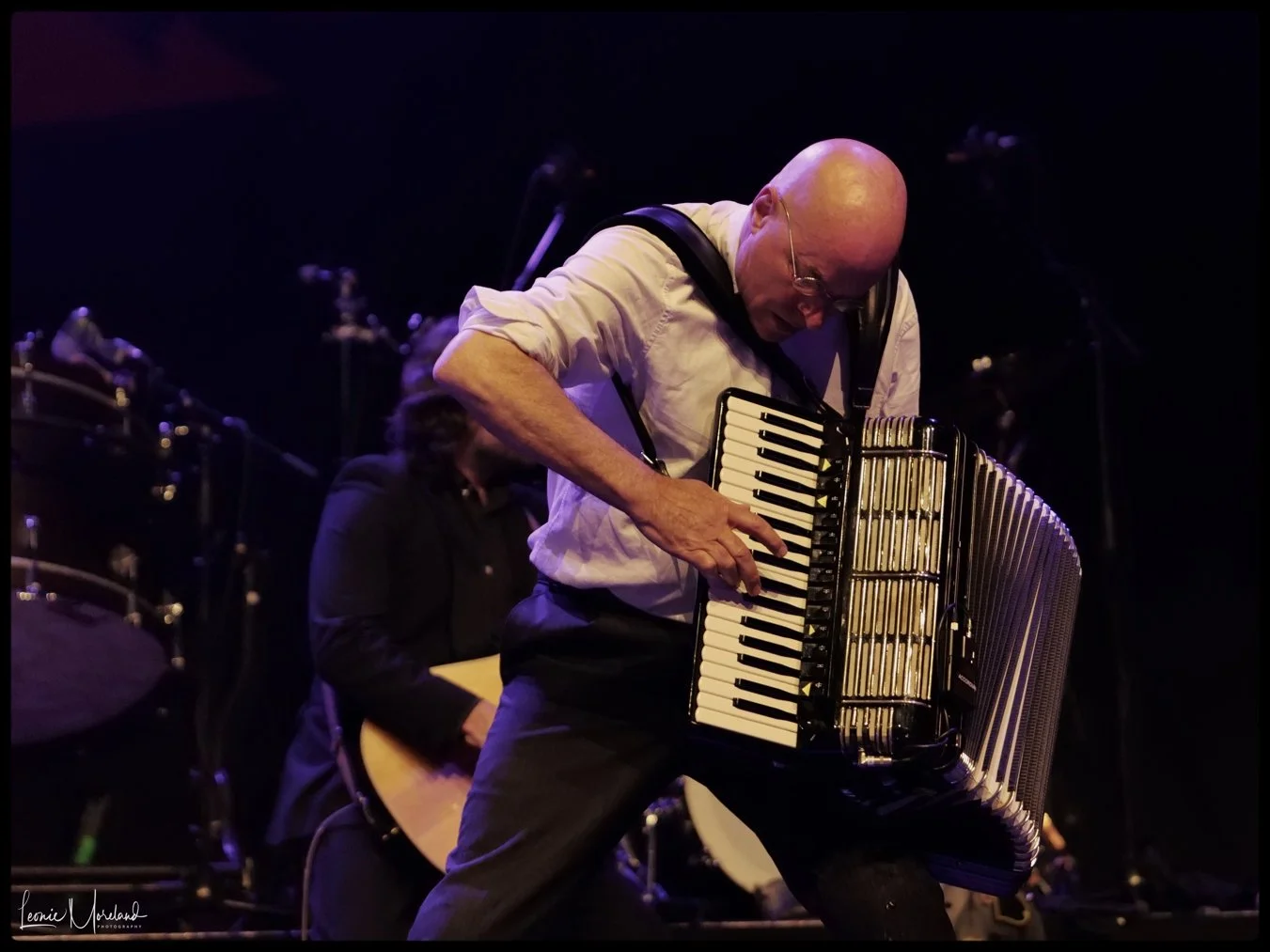
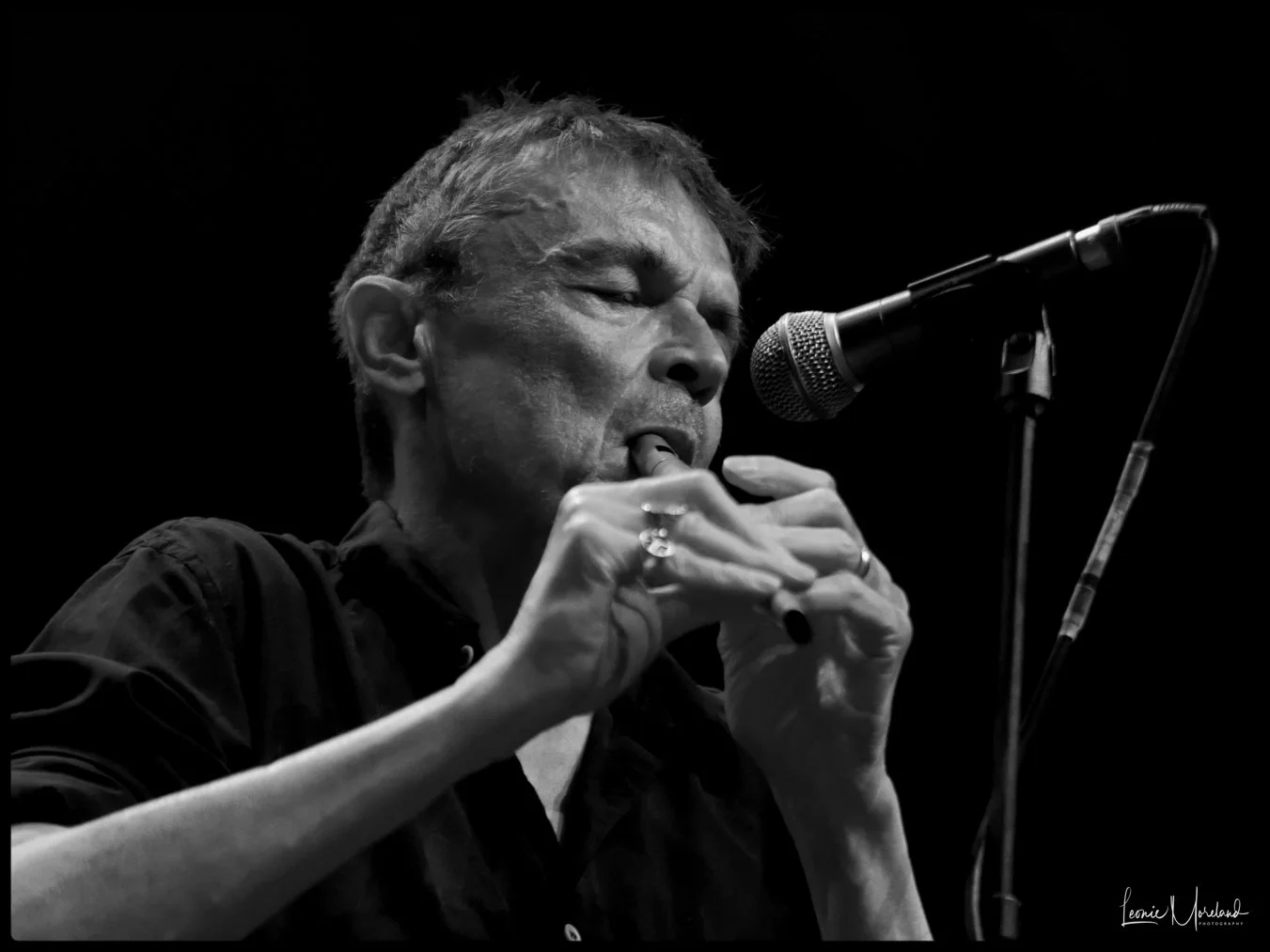
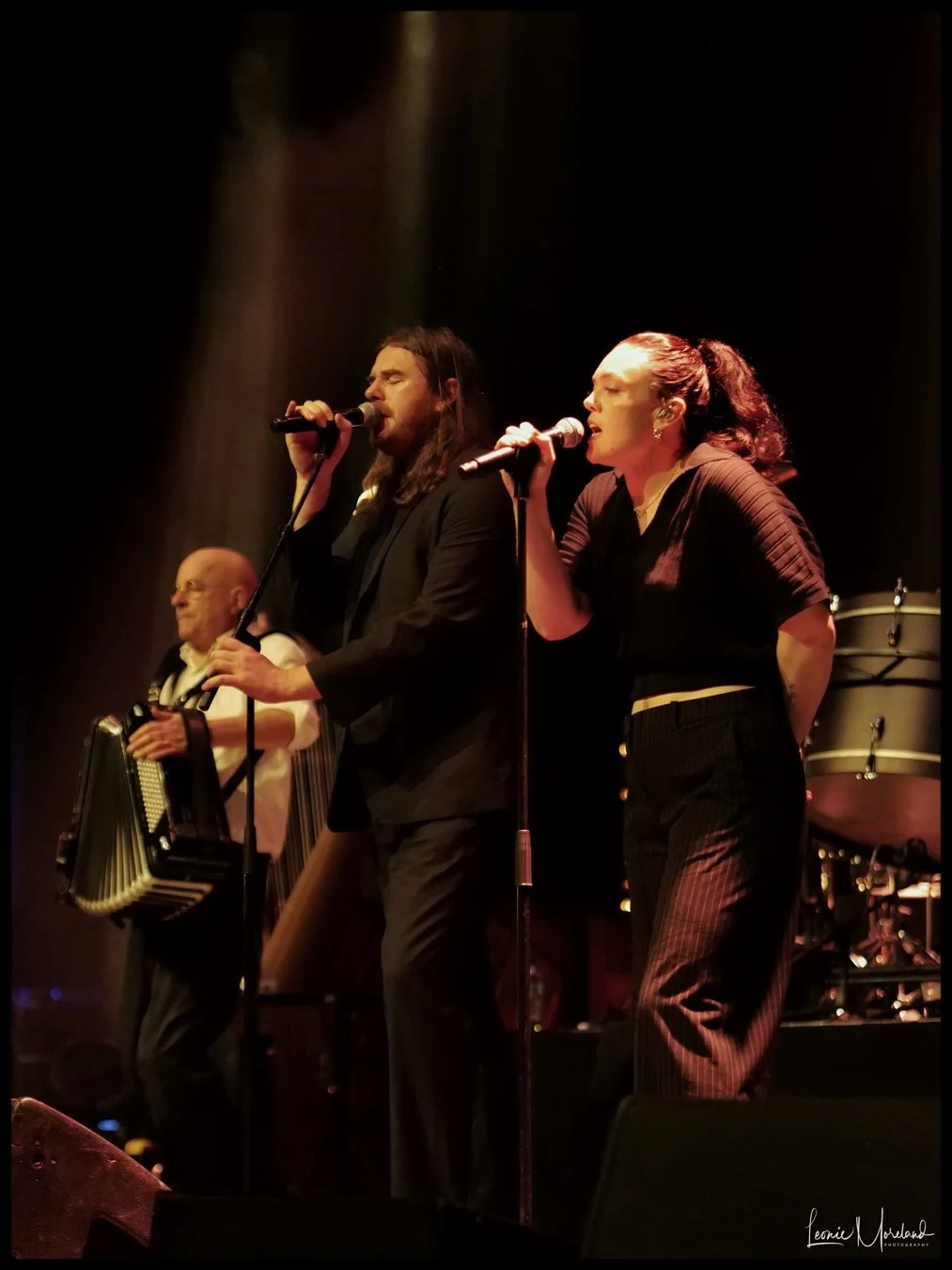
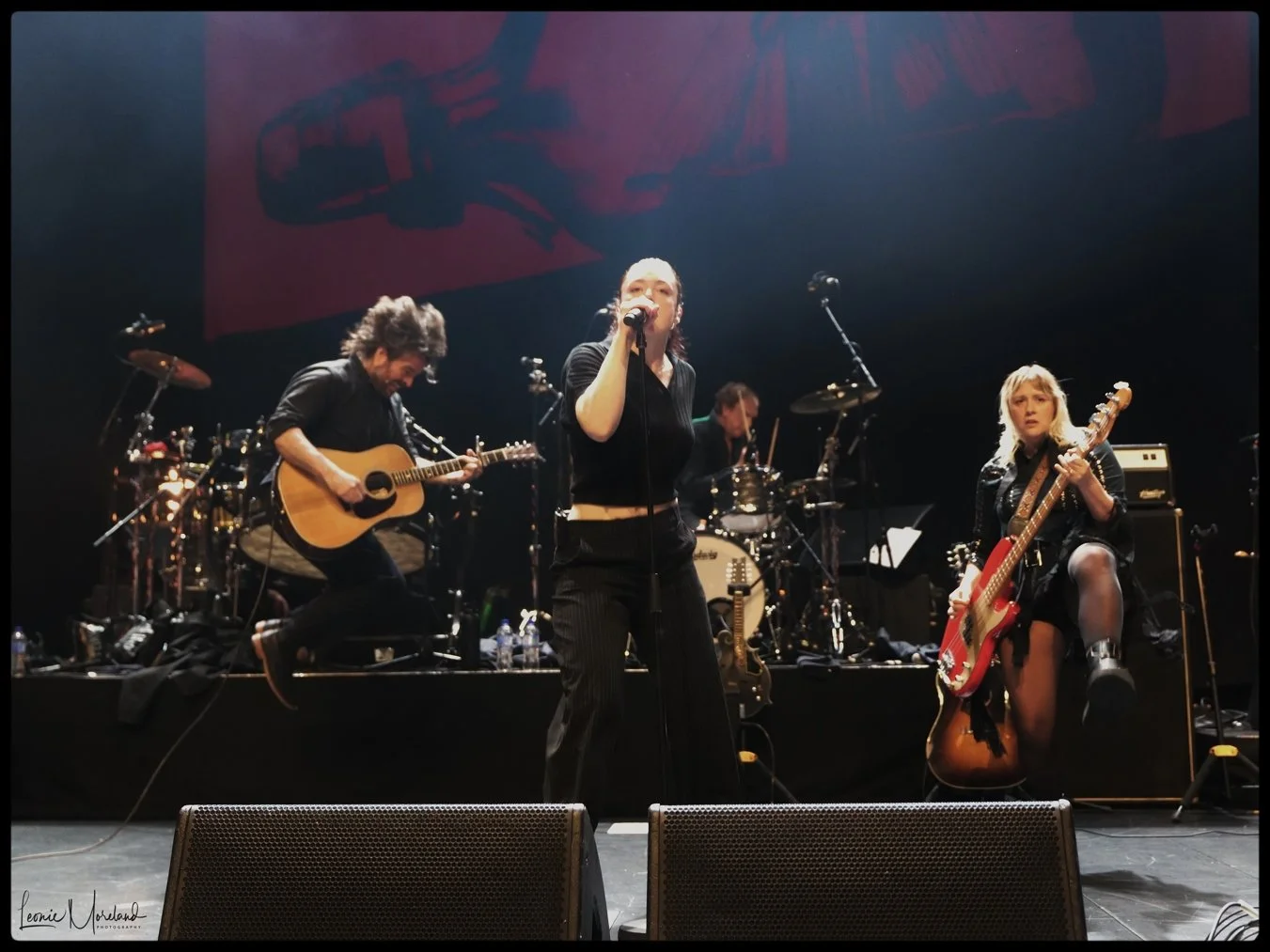
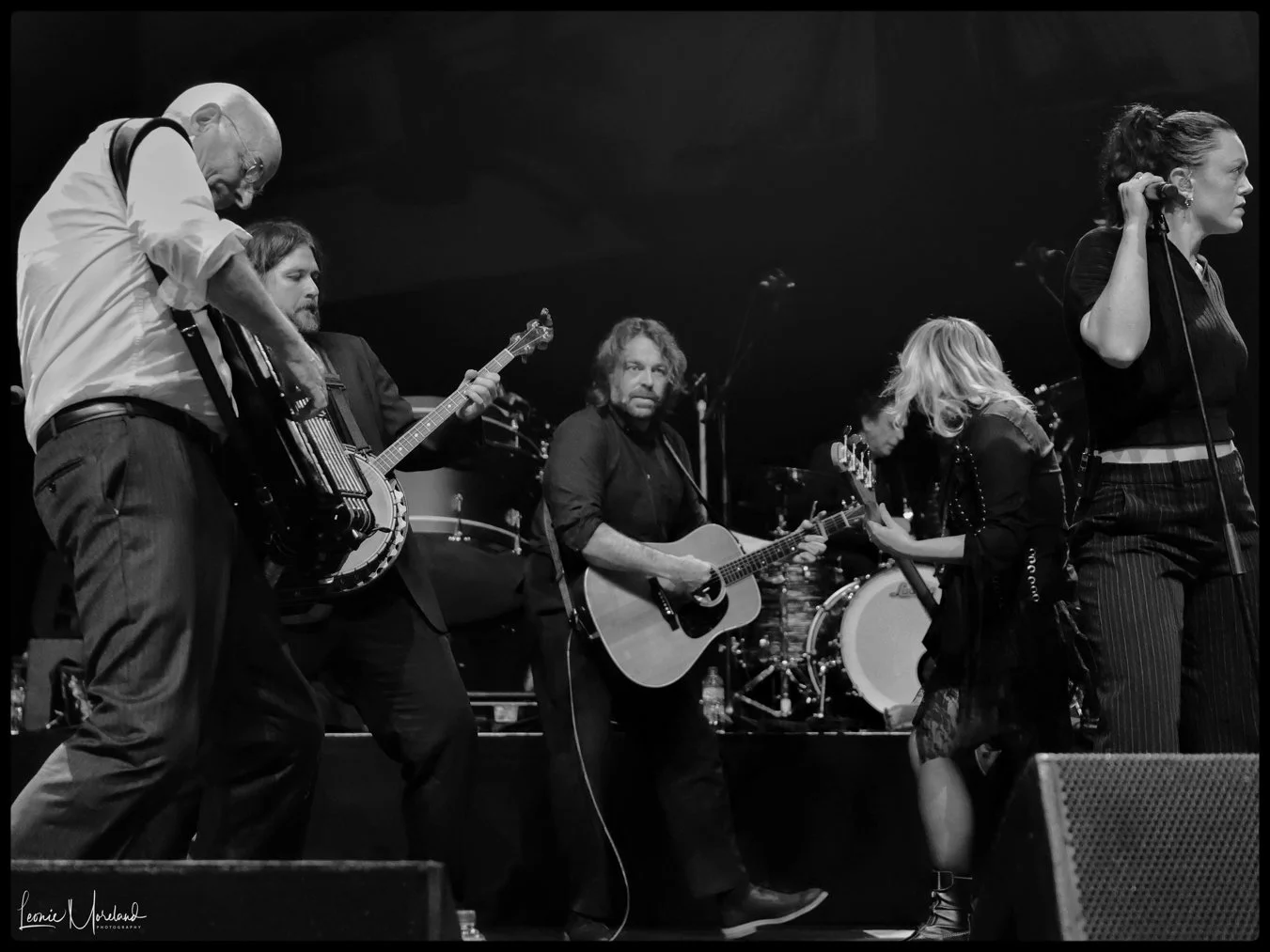
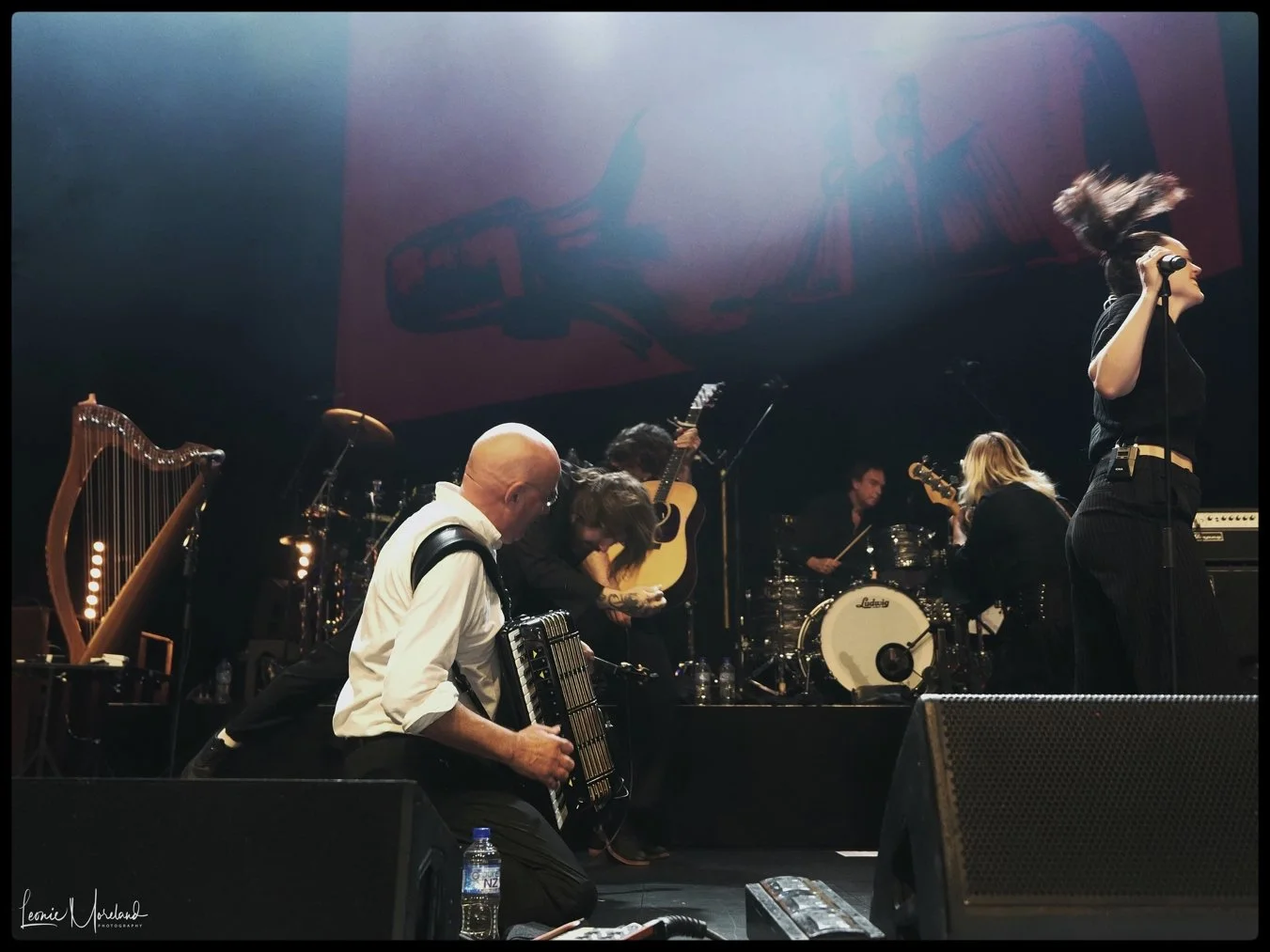
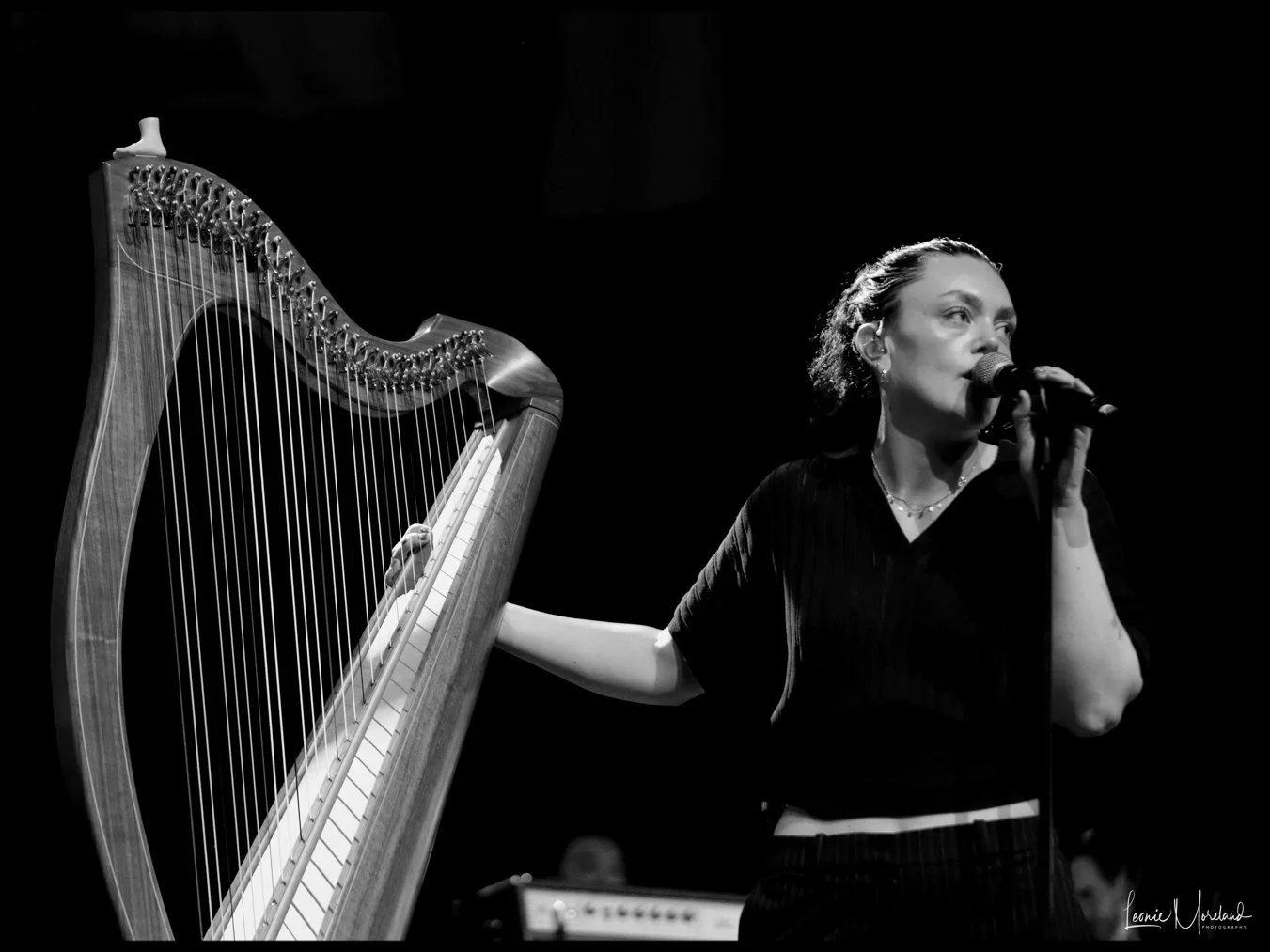
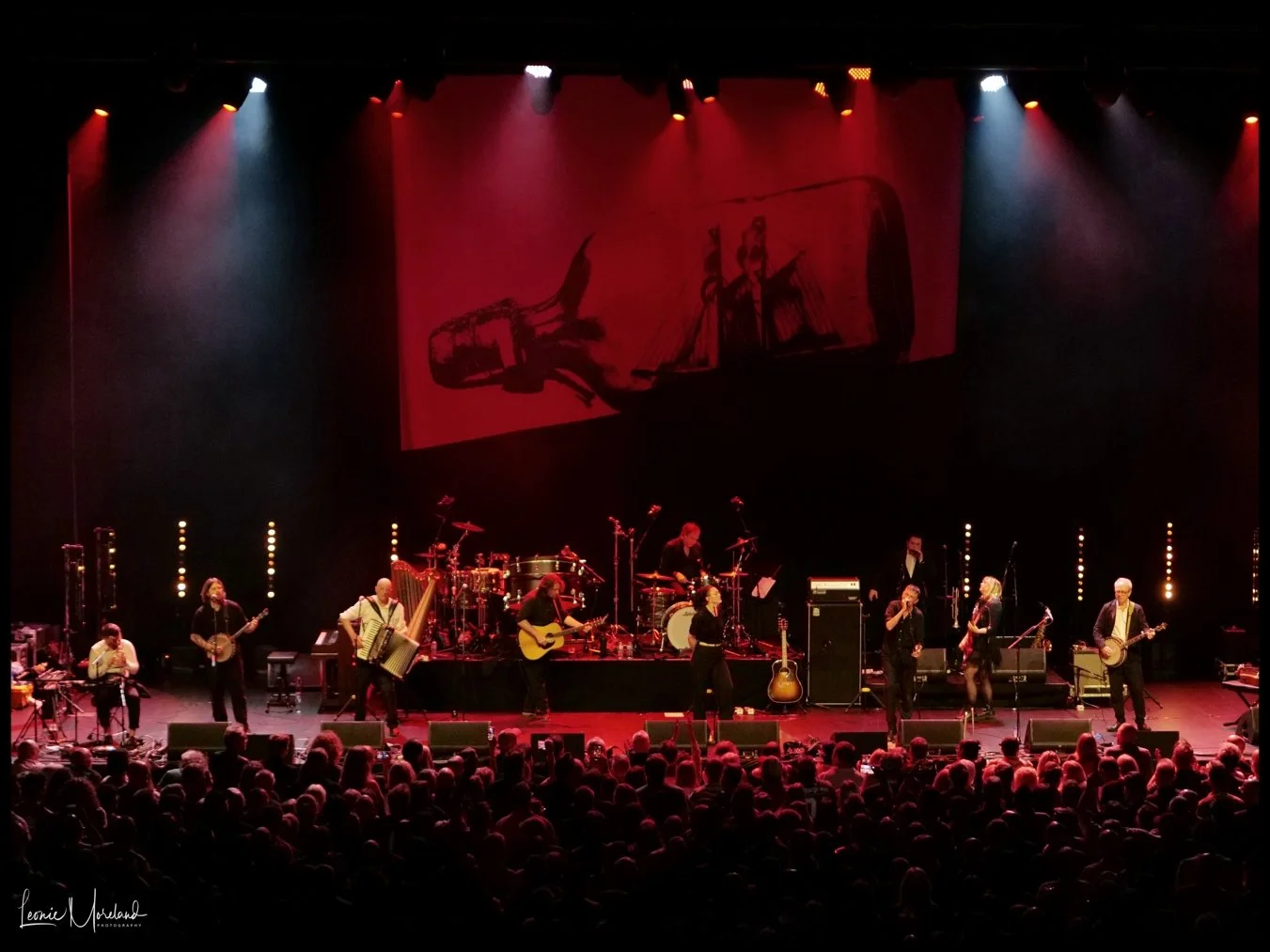
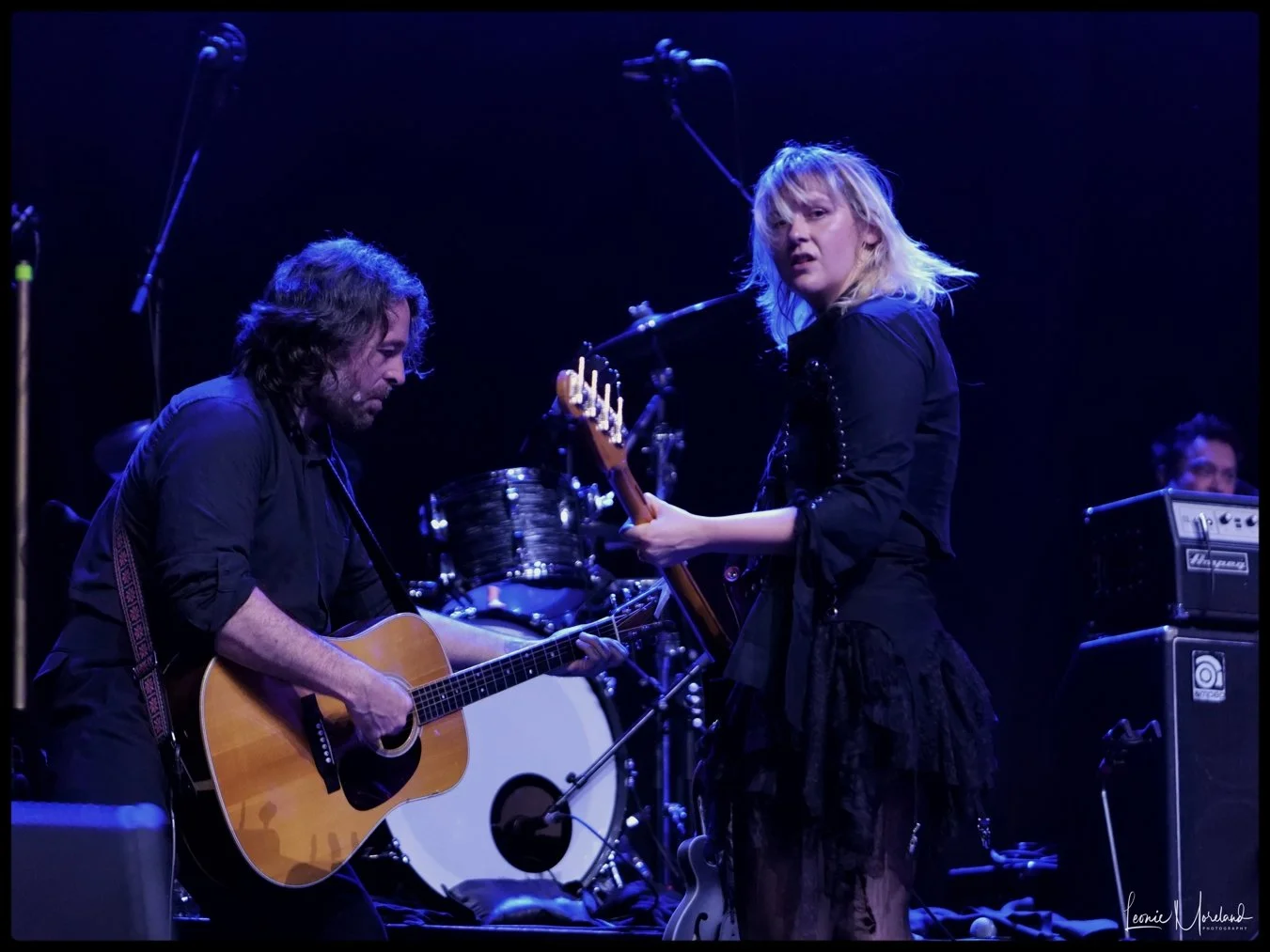
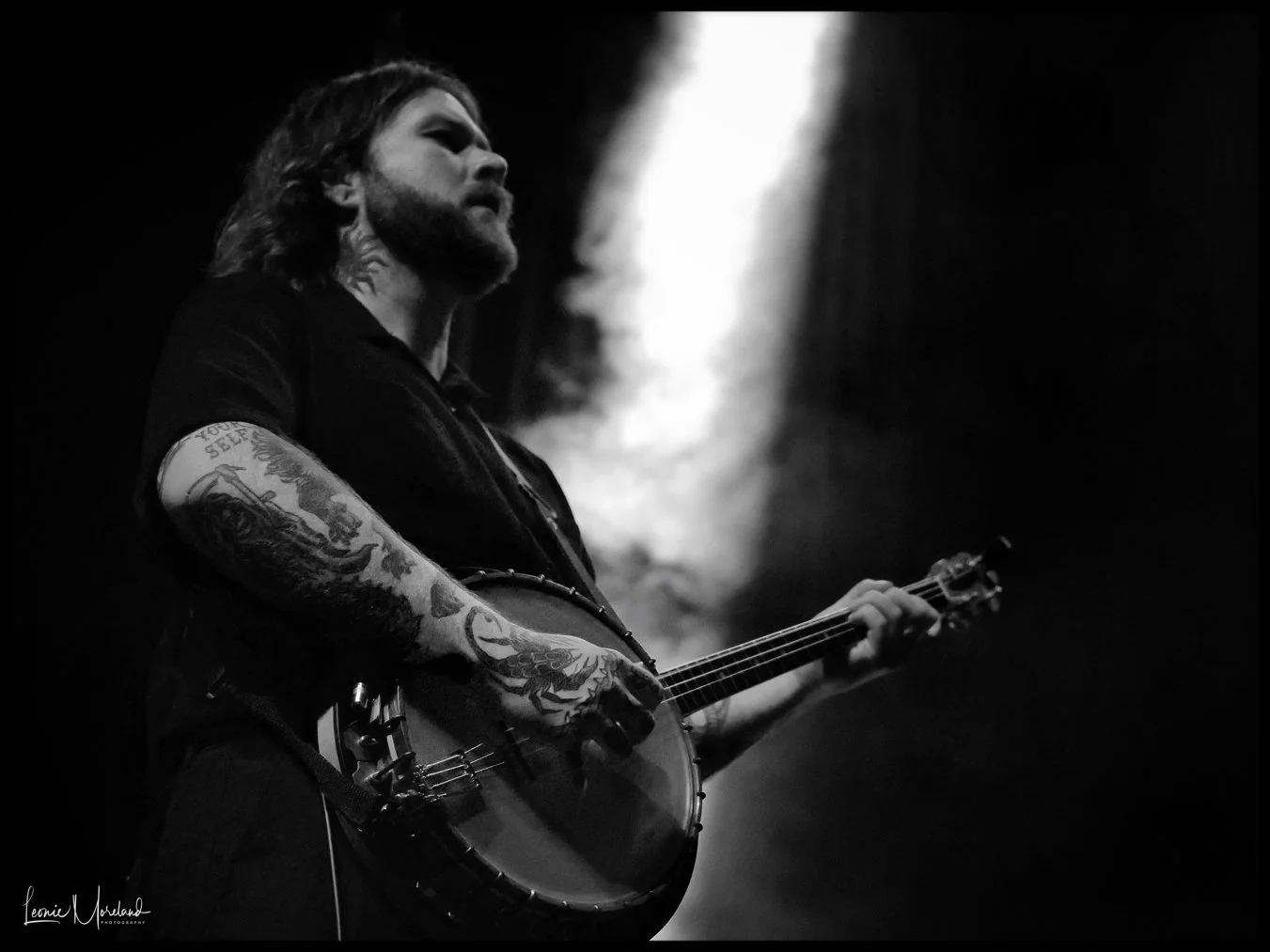
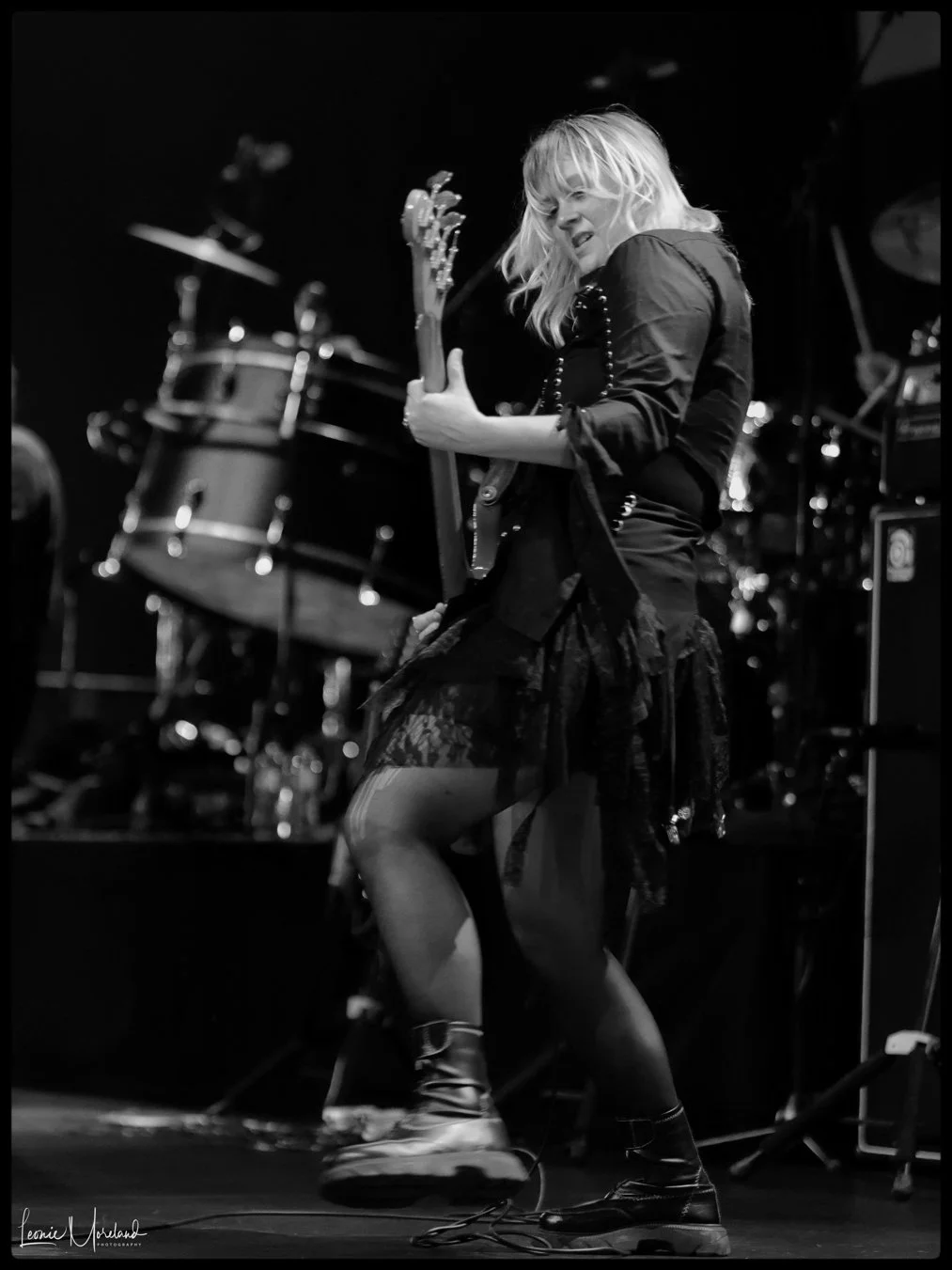
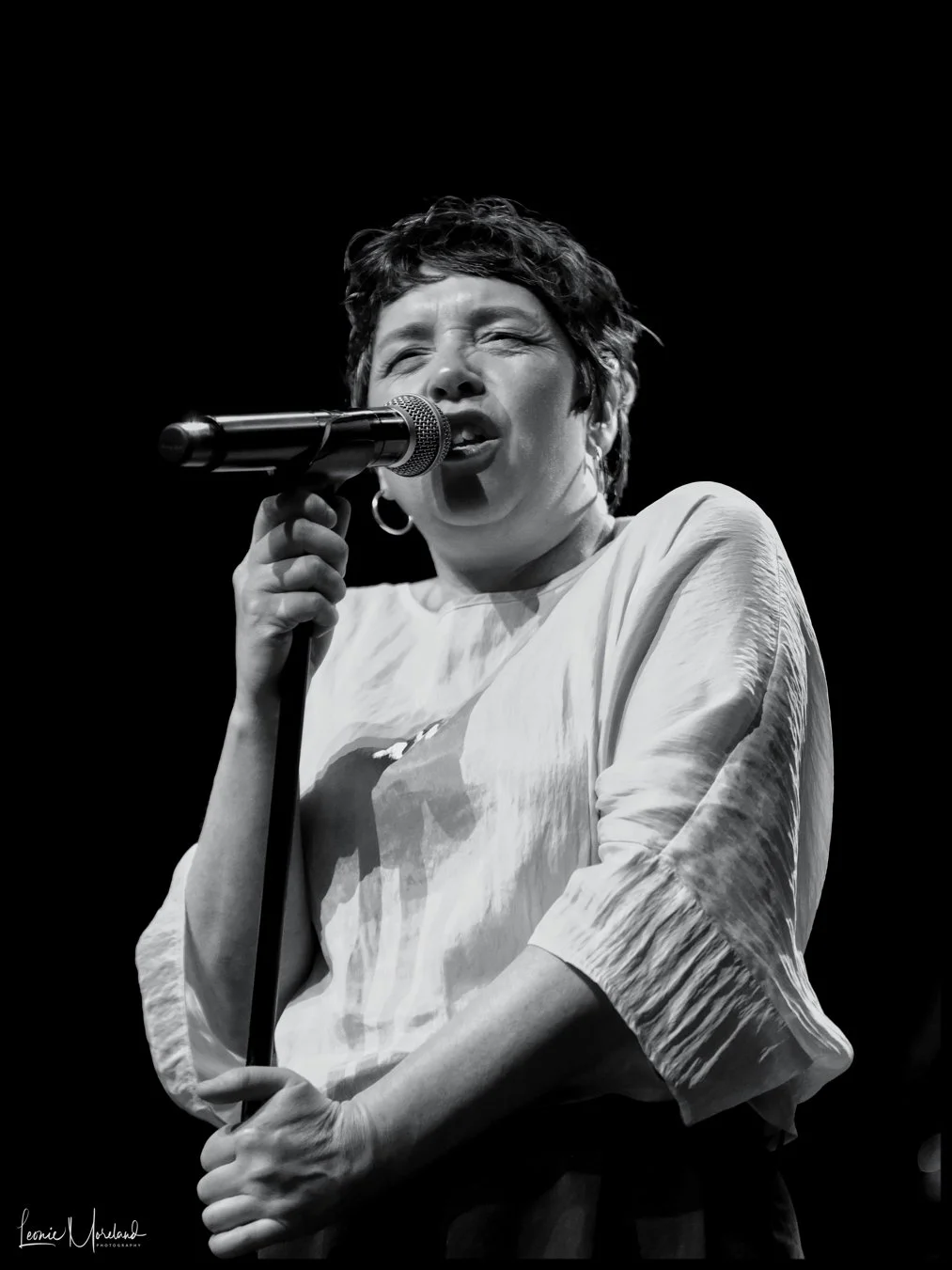
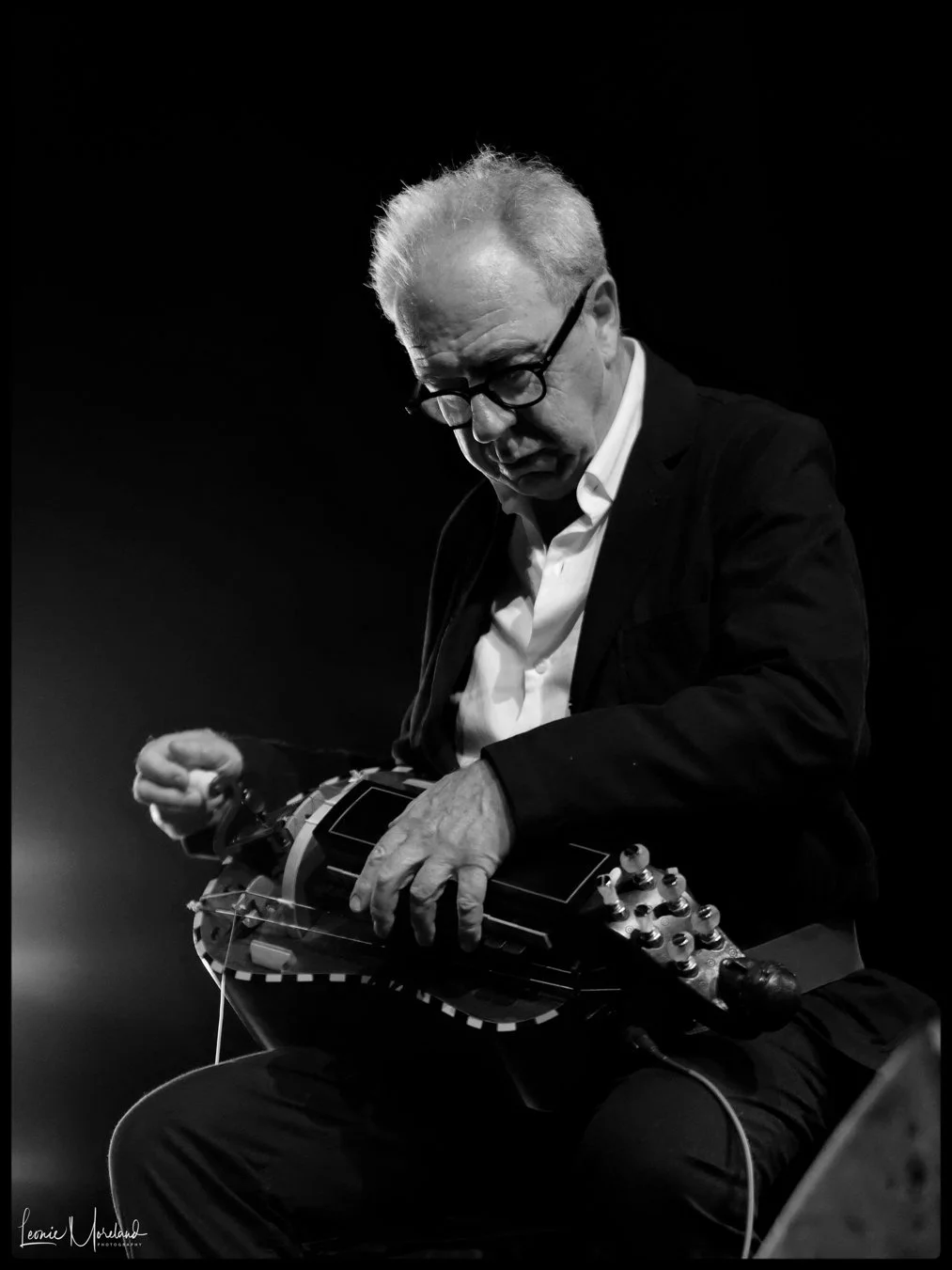
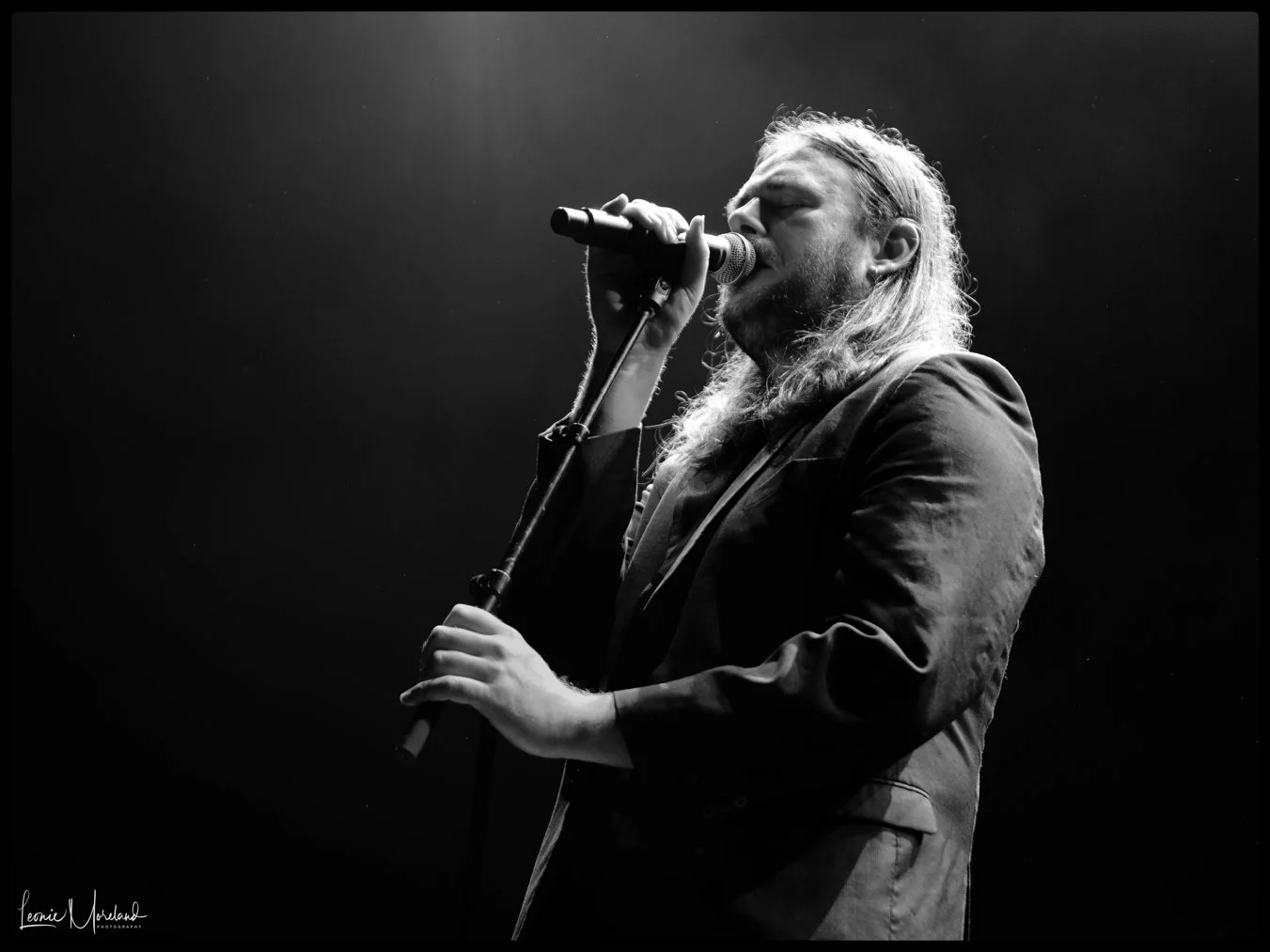
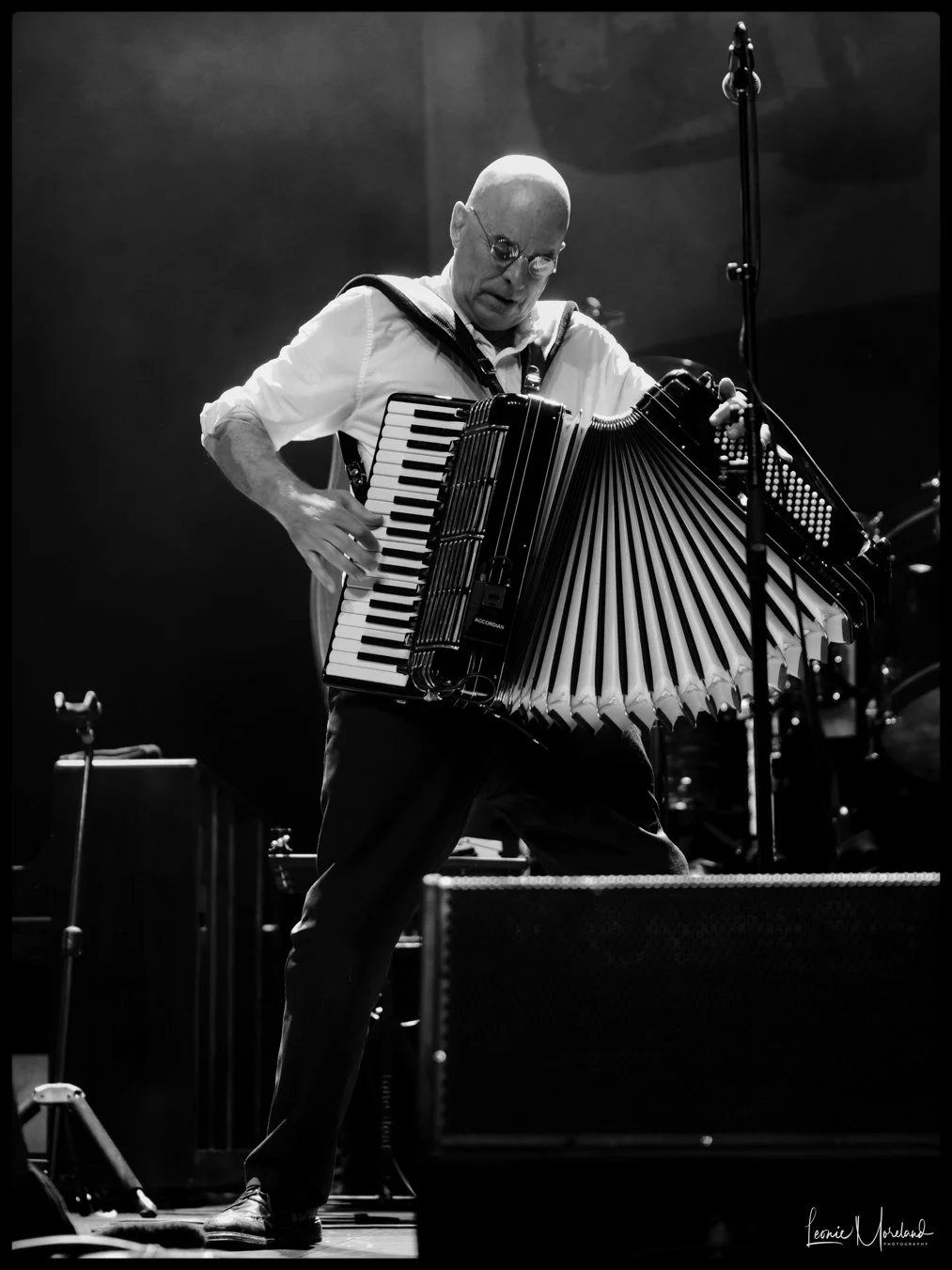
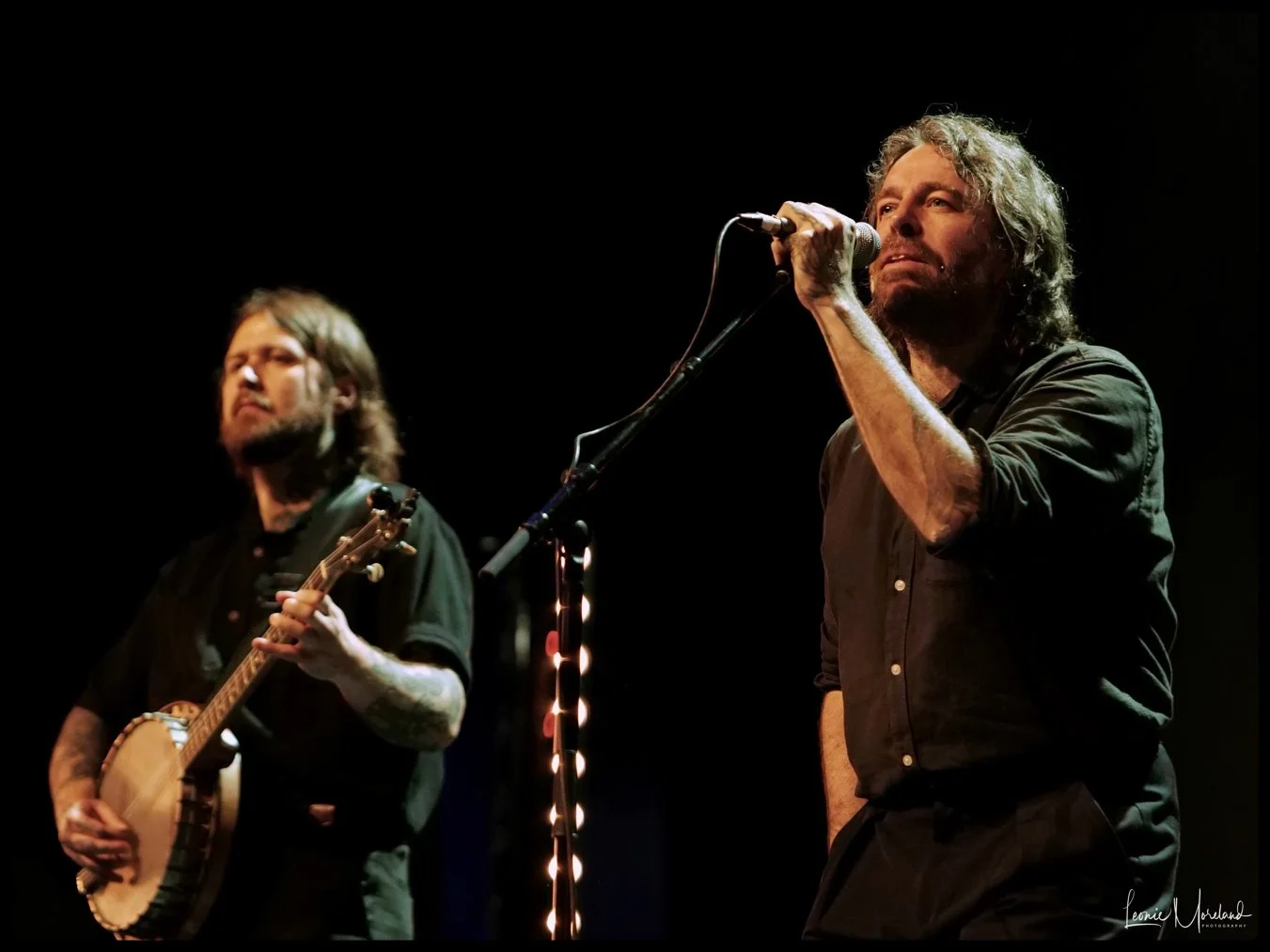
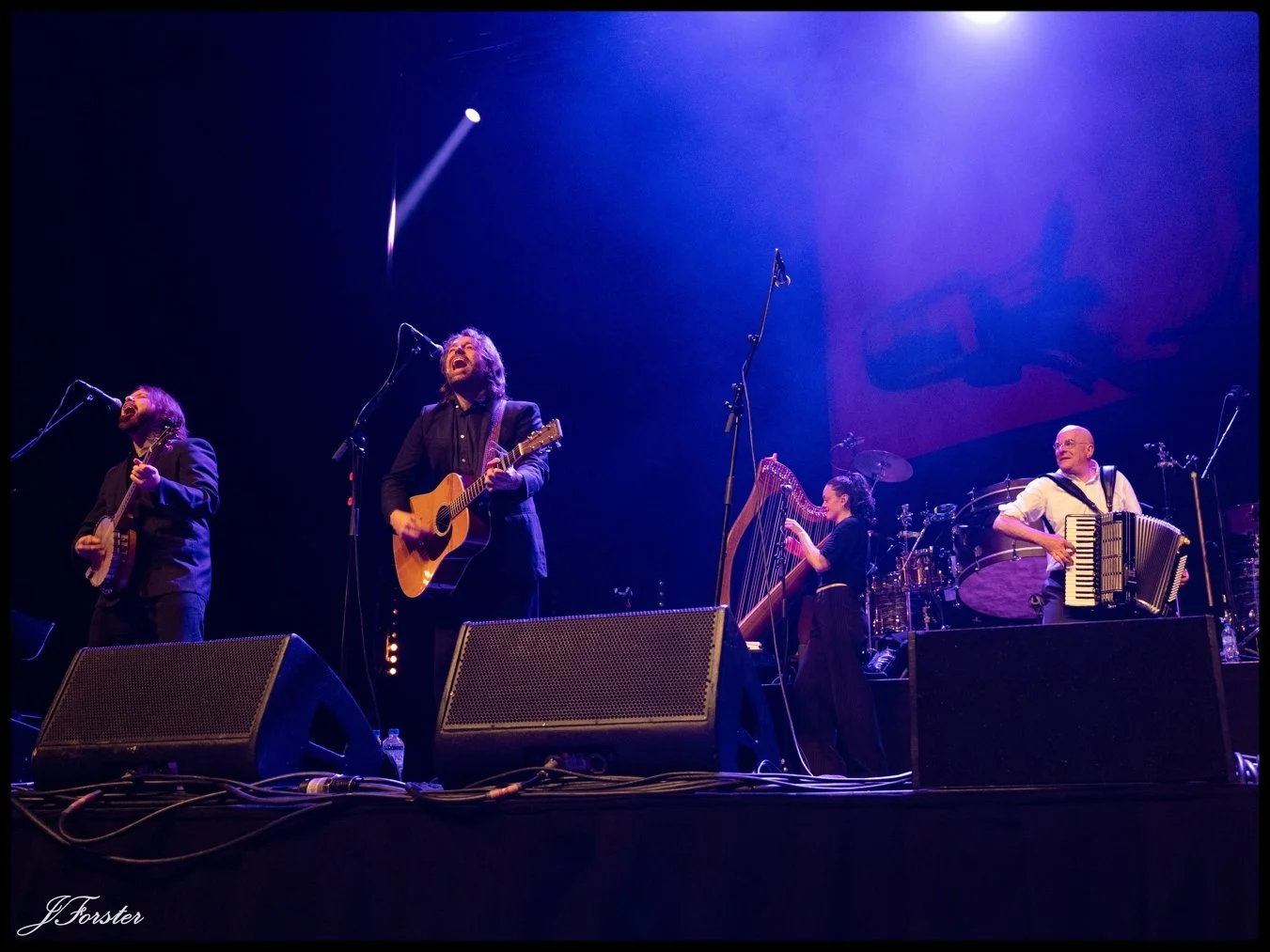
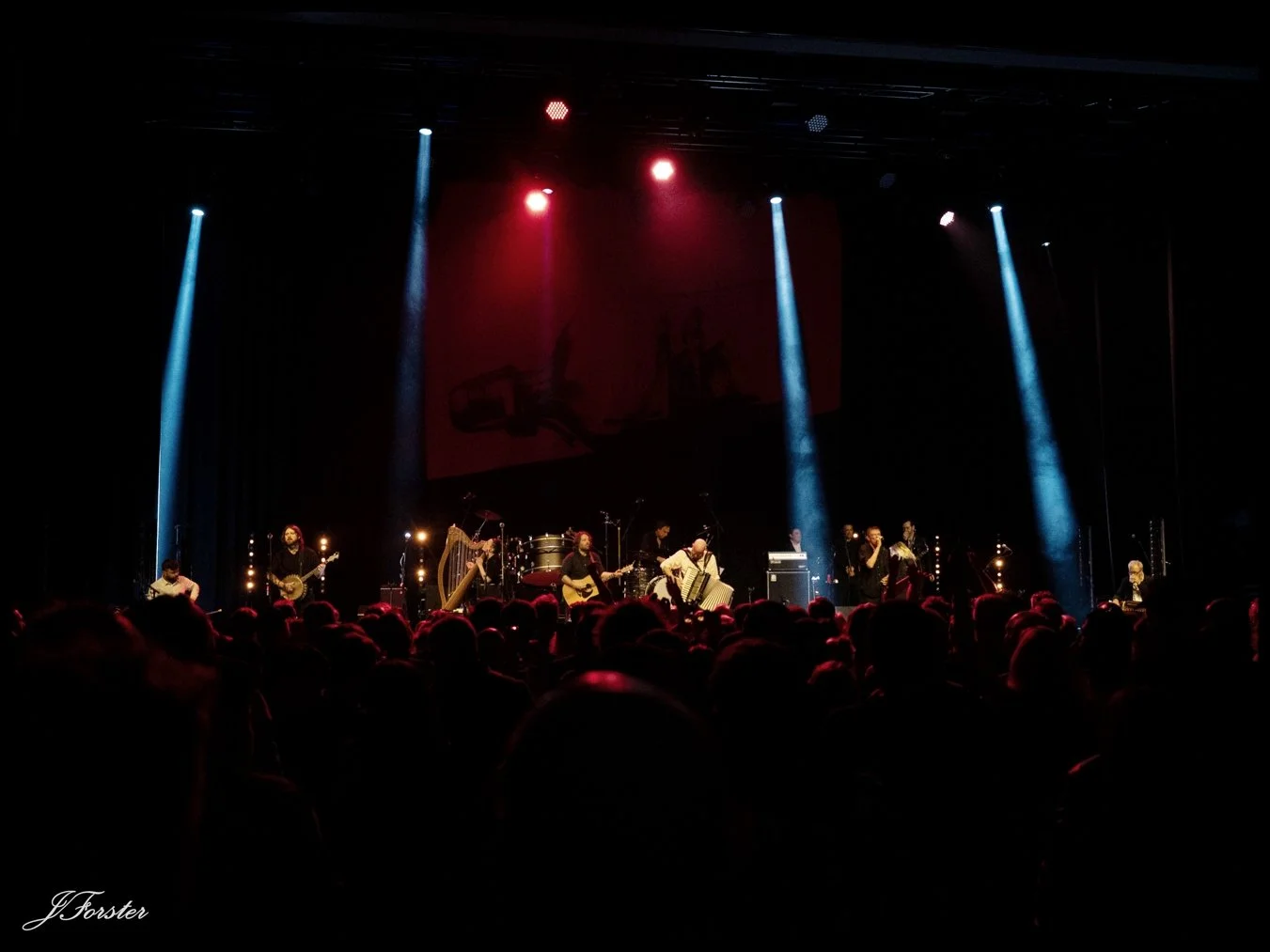
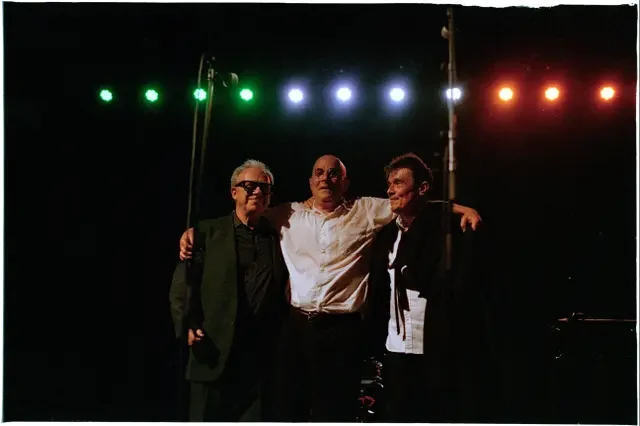
The original Pogues - Jem Finer, James Fearnley and Spider Stacy
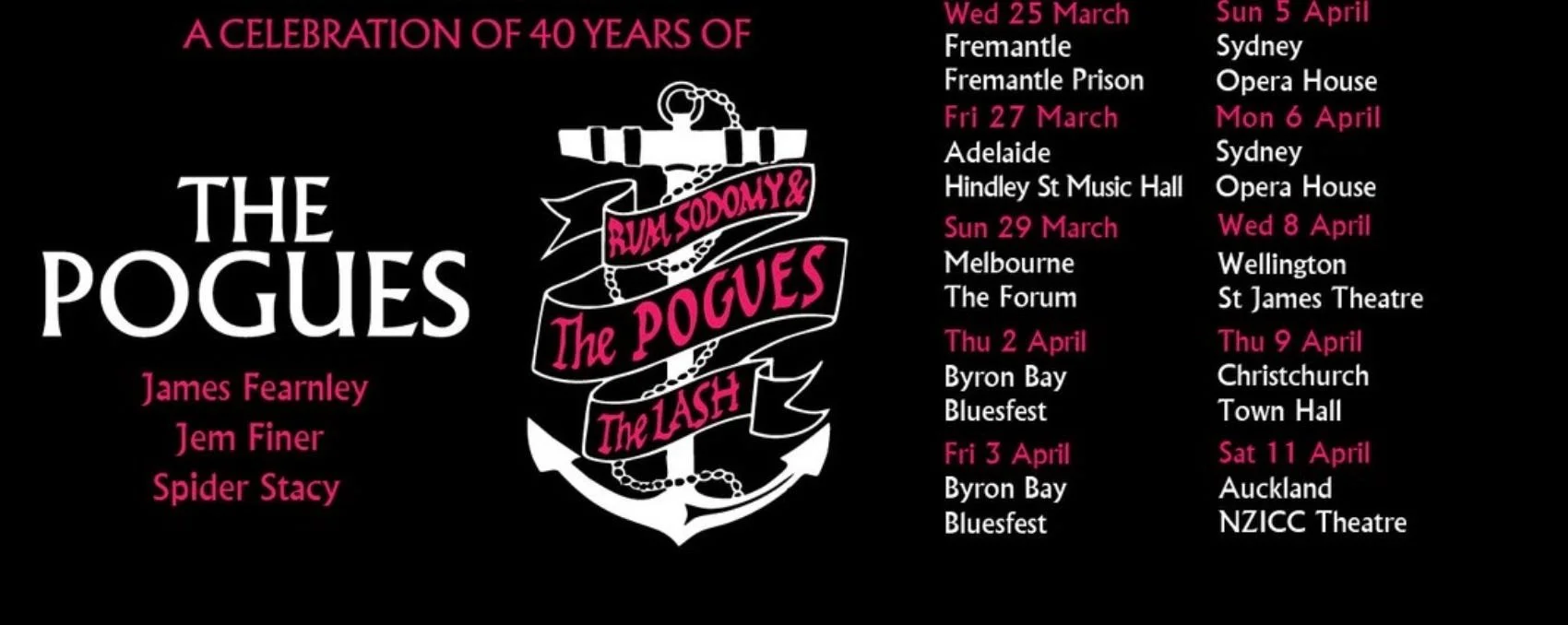
The Pogues - A Celebration of 40 Years of Rum, Sodomy & the Lash
Image Credits to: Leoni Mooreland & John Forster (Red Raven News)Venue/City: Te Paepae Theatre, NZICC, AucklandDate of Event: Saturday 11th April 2026